Table of Contents
Introduction to Practical Dental Local Anaesthesia
Mastering local anesthesia is a fundamental aspect of dental practice that cannot be overstated. As dental professionals, the ability to effectively manage pain is pivotal not only for accomplishing successful treatments but also for ensuring overall patient satisfaction. Local anesthesia serves as a critical intervention that mitigates discomfort during various dental procedures, allowing patients to undergo treatment with reduced anxiety and heightened comfort.
A dentist’s finesse in administering local anesthesia reflects their commitment to patient care. When patients experience minimal pain, they are more likely to appreciate the quality of service provided and return for subsequent visits. Therefore, the mastery of local anesthesia directly translates into improved patient relationships and practice reputation, as well as increased patient retention and referrals.
Furthermore, there are significant legal implications tied to pain management in dentistry. Dental professionals must adhere to established guidelines and best practices to minimize the risk of complications arising from local anesthesia administration. Failure to achieve adequate anesthesia can not only lead to patient discomfort but may also expose practitioners to potential liability. Thus, understanding local anesthesia techniques and applications is not merely a matter of professional skill but also an ethical obligation to ensure a safe and effective clinical environment.
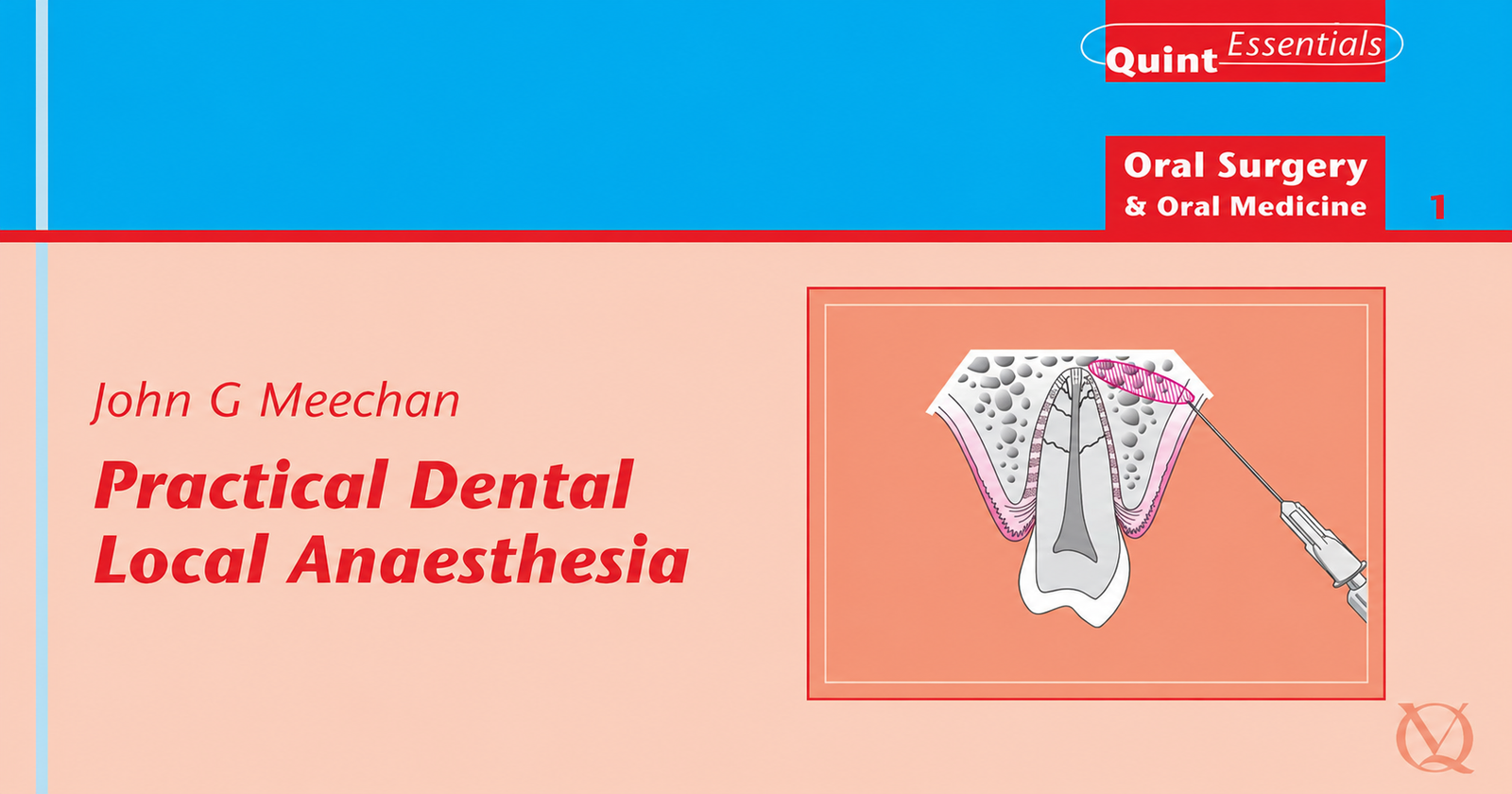
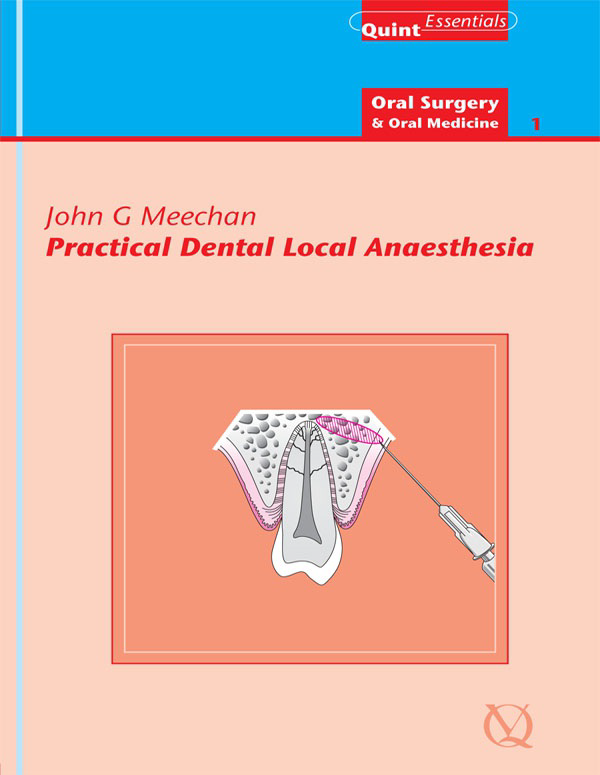
Moreover, the efficacy of local anesthesia can significantly influence treatment outcomes. Adequate pain control facilitates a smoother procedure, enhances the dentist’s ability to perform intricate tasks, and ultimately contributes to a higher standard of care. Notably, the book “Practical Dental Local Anaesthesia” by John G. Meechan serves as an invaluable resource for dental professionals seeking to elevate their anesthetic proficiency. This guide provides insights, techniques, and vital information that empower practitioners to refine their local anesthesia skills, resulting in better service delivery and improved patient experiences. In summary, mastering local anesthesia is essential for anyone in the dental field, emphasizing the necessity for continuous education and skill enhancement.
Understanding the Physiology of Local Anesthesia
Local anesthesia plays a critical role in dentistry by temporarily blocking nociceptive signals, thereby providing effective pain control during dental procedures. To fully comprehend the principles of local anesthesia, it is essential to explore the relevant anatomical structures, mechanisms of action, and the interactions between local anesthetics and nerve tissues.
The primary target of local anesthetics is the neuron, specifically the voltage-gated sodium channels present in nerve membranes. These channels are integral to the generation and propagation of action potentials. Upon application of a local anesthetic, its molecules penetrate the nerve tissue and bind to the sodium channels, inhibiting the influx of sodium ions. This blockade prevents the depolarization of neurons, thus halting the transmission of pain signals to the central nervous system.
Anatomy is paramount to mastering local anesthesia techniques. The key structures involved include the maxillary and mandibular nerves, which are branches of the trigeminal nerve (cranial nerve V). Understanding the spatial relationships and the course of these nerves helps practitioners to efficiently deposit anesthetic solutions. For instance, the infraorbital nerve block targets the infraorbital foramen, thereby providing anesthesia to the upper lip, nose, and other adjacent tissues. Similarly, knowledge of the inferior alveolar nerve block allows effective numbness of the mandibular teeth and adjacent gum tissues.
Furthermore, the pharmacokinetics of local anesthetics – encompassing absorption, distribution, metabolism, and elimination – also plays a significant role in the efficacy of pain control. Factors such as pH, presence of vasoconstrictors, and patient-specific variables can significantly influence the effectiveness and duration of anesthesia provided. By understanding these physiological and anatomical elements, dental practitioners can enhance their skills and achieve optimal outcomes in pain management during clinical procedures.
Types of Local Anesthetics: Choosing the Right Agent
Local anesthetics are crucial components in dental procedures, offering pain relief and ensuring patient comfort. Understanding the different types of local anesthetics available assists dental professionals in selecting the most suitable agent for specific procedures. The agents can be broadly classified into two categories: amides and esters, each with distinct properties and clinical implications.
Amides, such as lidocaine, bupivacaine, and articaine, are widely used due to their long duration of action and minimal allergic reactions. Lidocaine is considered the gold standard in local dental anesthesia, providing rapid onset and moderate duration, making it appropriate for most procedures. Bupivacaine, known for its prolonged effect, is advantageous for surgeries requiring extended anesthesia, while articaine, with its unique ability to penetrate bone, is especially useful in procedures involving the mandible.
On the other hand, esters, including procaine and benzocaine, are less commonly utilized in dentistry because of their higher allergy potential and shorter duration. However, benzocaine is often employed as a topical anesthetic due to its rapid onset of action. It is vital for dental professionals to carefully assess patient history concerning allergies when selecting an anesthetic agent.
When choosing the right local anesthetic, factors such as the required duration of anesthesia, patient’s medical history, and the specific dental procedure must be taken into consideration. Understanding the pharmacokinetics and pharmacodynamics of each agent can guide clinicians to make informed decisions that maximize patient safety and comfort. Ultimately, an informed choice of local anesthetic enhances the effectiveness of pain management during dental procedures, thereby improving the overall patient experience.
Techniques for Administering Local Anesthesia
Administering local anesthesia in dental procedures is a critical skill that requires both theoretical knowledge and hands-on experience. Among the various methods employed in achieving effective local anesthesia are infiltration techniques and nerve blocks, each suitable for different clinical situations.
Infiltration techniques involve the direct injection of anesthetic into the tissue around the treatment area. This approach is widely used for procedures involving the maxillary teeth, as the porous nature of the maxilla allows the anesthetic to diffuse easily. Proper technique in infiltration includes selecting the appropriate site for injection, usually around the apices of teeth, and ensuring that the needle is inserted at an optimal angle. Aspiration before injecting is crucial to minimize the risk of intravascular injection, which can lead to systemic complications.
Nerve blocks, on the other hand, are particularly beneficial for procedures that require profound anesthesia over a broader area. One commonly used nerve block in dentistry is the posterior superior alveolar block, which targets the posterior superior alveolar nerve to anesthetize the maxillary molars. Mastery of this technique involves precise location of anatomical landmarks and an understanding of the anatomy surrounding the area. Careful technique in nerve blocks can result in effective pain control and a smooth patient experience.
Best practices for administering local anesthesia include maintaining a calm demeanor, employing effective communication with the patient, and ensuring the use of sterile techniques to prevent infections. Understanding variations in anatomy is also essential, as it can influence the choice of technique and the success rate of anesthesia. By mastering these techniques, dental practitioners can enhance their proficiency and ensure effective and safe delivery of local anesthesia.
Troubleshooting Common Anesthesia Complications
Local anesthesia is a vital component in dental procedures, providing patients with pain relief and ensuring comfort during treatments. However, like any medical intervention, complications can arise. Understanding these potential issues and how to manage them is essential for dental professionals to maintain high safety standards. Systemic toxicity is one of the most critical complications associated with local anesthetic use. This toxicity generally results from the inadvertent injection of local anesthetic into the vascular system, leading to elevated blood concentrations. Clinicians must be aware of the signs of systemic toxicity, which may include dizziness, tinnitus, or even seizures. Monitoring vital signs and the patient’s overall condition during the administration of local anesthesia is paramount, as early detection can facilitate prompt intervention and mitigate serious outcomes.
Another significant complication to consider is allergic reactions to local anesthetics. While rare, such reactions can occur and may manifest as skin rashes, swelling, or anaphylaxis in severe cases. It is crucial for dental practitioners to take a detailed medical history from patients, identifying any known allergies to medications, especially local anesthetics. If a patient presents with signs of an allergic reaction, immediate cessation of the procedure and appropriate medical treatment is necessary.
Preventive measures can significantly reduce the incidence of complications. For instance, the careful selection of anesthetic agents and dosages, along with adherence to proper injection techniques, can minimize risks. Additionally, always having emergency protocols in place is vital. It ensures that dental teams are prepared to manage any complications that may arise effectively.
By maintaining a vigilant approach to identifying and addressing complications, dental practitioners can enhance safety and provide a standard of care that both patients and professionals can trust.
Anxiety Management: Preparing Patients for Anesthesia
Managing patient anxiety is a critical factor in facilitating a smooth dental anesthesia experience. The psychological aspect of dental treatments can greatly influence a patient’s overall perception and acceptance of the procedure. It is essential for dental professionals to employ effective techniques that address and alleviate the fear associated with anesthesia. Such approaches not only improve the patient’s cooperation but also contribute to a more successful outcome.
One fundamental technique includes establishing open communication with patients. Prior to the appointment, practitioners should engage patients in a detailed discussion about the procedures involved. This dialogue should cover the steps of the anesthesia process, potential sensations the patient might experience, and the safety measures in place. By demystifying the anesthesia, practitioners help reduce the apprehension that typically accompanies dental visits.
In addition to verbal communication, the use of visual aids can be particularly beneficial. Illustrative materials, such as diagrams or videos, can present the procedure in a more accessible manner. Implementing these tools not only serves to educate patients but also fosters trust, as it demonstrates the practitioner’s commitment to transparency.
Furthermore, it’s important to develop a patient-centric approach when addressing anxiety. Techniques such as deep breathing exercises, guided imagery, or even mindfulness practices can equip patients with coping mechanisms to manage their stress levels. Providing a calm environment with soothing music, comfortable seating, and an understanding attitude can further enhance the overall experience.
In conclusion, effective anxiety management is essential for preparing patients for anesthesia procedures. By applying strategies that promote open communication, utilizing visual aids, and fostering a supportive atmosphere, dental professionals can significantly reduce patient anxiety. This not only leads to improved patient cooperation but also enhances the effectiveness of the anesthetic process, ensuring a more positive dental experience overall.
Post-Operative Care and Pain Management
Post-operative care following the administration of local anesthesia is critical in ensuring patient comfort and achieving positive clinical outcomes. After a dental procedure, patients may experience varying levels of pain or discomfort as the anesthetic wears off. It is essential for dental professionals to provide clear and detailed post-procedure instructions to help manage expectations and enhance patient satisfaction.
Patients should be advised that the effects of local anesthesia typically last from two to several hours, depending on the type of anesthetic used and the individual’s metabolism. In this time, they may not experience any sensation in the affected area, which could lead to inadvertent injury if caution is not exercised. Therefore, it is paramount for patients to avoid biting their tongue or cheek during this numbing period.
In terms of pain management, a multimodal approach is often beneficial. Dentists may recommend over-the-counter analgesics, such as ibuprofen or acetaminophen, to mitigate discomfort effectively. Additionally, if higher levels of pain are anticipated, prescription medications may be warranted. It is crucial for dental providers to educate patients on the appropriate dosage and timing for any pain relief medications, reinforcing adherence to the recommended guidelines.
Patients should also be informed about potential signs of complications, such as prolonged or severe pain, swelling, or signs of infection, and directed on when to seek further medical advice. Regular follow-up appointments play a vital role in monitoring recovery and addressing any concerns that may arise. This proactive approach not only fosters a trusting relationship between the patient and the dental professional but also significantly improves the overall dental care experience.
The Future of Local Anesthesia: Innovations and Trends
The field of local anesthesia is experiencing a transformative phase marked by innovations and advancements that challenge traditional practices. One pertinent area of development is the integration of technology into anesthesia administration. For instance, the advent of computer-controlled delivery systems allows for more precise dosing of anesthetic agents, significantly minimizing patient discomfort while maximizing efficacy. This technology not only enhances the overall patient experience but also reduces the likelihood of adverse effects linked to improperly administered local anesthetics.
Furthermore, research into the pharmacodynamics of local anesthetics is paving the way for the creation of longer-lasting and faster-acting agents. New formulations are being developed that aim to reduce the onset time, providing practitioners with more options tailored to the needs of specific clinical scenarios. These advancements promise to improve the quality of patient care while increasing procedural efficiency.
Additionally, the trend toward personalized medicine is influencing local anesthesia. Practitioners are becoming more aware of genetic factors that affect patient responses to anesthetic drugs. With the help of pharmacogenomics, it is possible to predict how individuals will metabolize certain anesthetics, enabling customized anesthetic plans that enhance safety and effectiveness. This shift could result in improved outcomes for patients undergoing various dental procedures.
Moreover, the incorporation of virtual and augmented reality in training programs for anesthesia techniques is revolutionizing education in the field. These technologies provide aspiring dental professionals with immersive learning experiences, allowing them to practice their skills in a risk-free environment. By visualizing the anatomical structures and their relationship to procedures, practitioners can markedly enhance their competency in administering local anesthesia.
As these innovations continue to gain traction, it is crucial for dental professionals to stay informed about the latest trends and advancements in local anesthesia. Engaging with ongoing research and adapting to new technologies will undoubtedly have a lasting impact on clinical practices, ultimately leading to improved patient outcomes and safety in dental care.
Conclusion: Elevate Your Practice with Expert Local Anesthesia Skills
Mastering local anesthesia is an essential component of dental practice that significantly impacts patient care and outcomes. John G. Meechan’s Practical Dental Local Anaesthesia serves as an invaluable resource, providing comprehensive insights into the techniques, challenges, and best practices associated with effective anesthesia administration. Throughout the text, practitioners are introduced to various aspects of local anesthesia, emphasizing the necessity of precise skills to ensure patient comfort while minimizing procedural distress.
From foundational knowledge of anatomical landmarks to practical application techniques, the book encapsulates the critical areas that every dental professional must familiarize themselves with. An understanding of the pharmacological properties of anesthetic agents, coupled with hands-on practice, can sharpen the abilities required for successful anesthesia management. Thus, engaging with the material not only equips you with the necessary theoretical background but also instills a sense of confidence that is crucial in a clinical environment.
The implications of mastering local anesthesia extend beyond technical proficiency. Enhanced skills lead to improved patient satisfaction, fostering a more conducive treatment setting. When patients experience reduced anxiety and pain, it paves the way for a more efficient workflow, ultimately benefiting both the practitioner and the patient. As you incorporate the concepts from Meechan’s work into your practice, it is crucial to recognize that developing expertise in local anesthesia is not merely an academic exercise; rather, it is a commitment to elevating the standard of care provided in your dental practice.
In conclusion, the integration of the techniques and knowledge presented in Practical Dental Local Anaesthesia will undoubtedly refine your local anesthesia skills. By prioritizing this critical aspect of dental care, practitioners can enhance their professional development and significantly improve experiences for their patients.