Table of Contents
Local Anesthesia In Dentistry
Local anesthesia plays a critical role in dentistry, serving as the foundation for pain management during various dental procedures. The primary aim of local anesthesia is to provide effective pain relief by selectively blocking nerve conduction within specific areas of the oral cavity. This mechanism hinges on a profound understanding of nerve anatomy and pharmacology, which are essential components in achieving successful local anesthesia outcomes.
For practitioners, comprehending how local anesthetics interact with nerve fibers can significantly impact the effectiveness of treatment. Local anesthetics, such as lidocaine and articaine, function by inhibiting sodium channels, which prevents the propagation of nerve impulses. Knowledge of the types of nerve fibers, such as A-delta and C-fibers, also plays a crucial role in tailoring anesthesia to individual patient needs. A-delta fibers, being myelinated, transmit sharp pain sensations, while unmyelinated C-fibers are responsible for conveying dull and throbbing pain. Understanding these distinctions aids in determining the appropriate anesthetic technique and dosage.
Moreover, a comprehensive grasp of pharmacology is fundamental for optimizing local anesthetic efficacy. This includes knowledge of the appropriate concentrations, duration of action, and potential systemic effects of anesthetics. It is also vital to consider factors such as local tissue pH, which can significantly influence the effectiveness of anesthetic agents. A thorough understanding of these variables not only enhances patient comfort during dental procedures but also promotes overall safety.
In summary, mastering the foundational concepts of local anesthesia is indispensable for dental practitioners. By delving into the scientific principles underlying pain control, including nerve anatomy and pharmacological insights, dentists can ensure that they provide safe and effective care tailored to each patient’s needs. This proficiency not only elevates the quality of dental treatment but also fosters patient trust and satisfaction, ultimately contributing to better clinical outcomes.
Practical Techniques for Administering Local Anesthesia: Essential Injection Methods
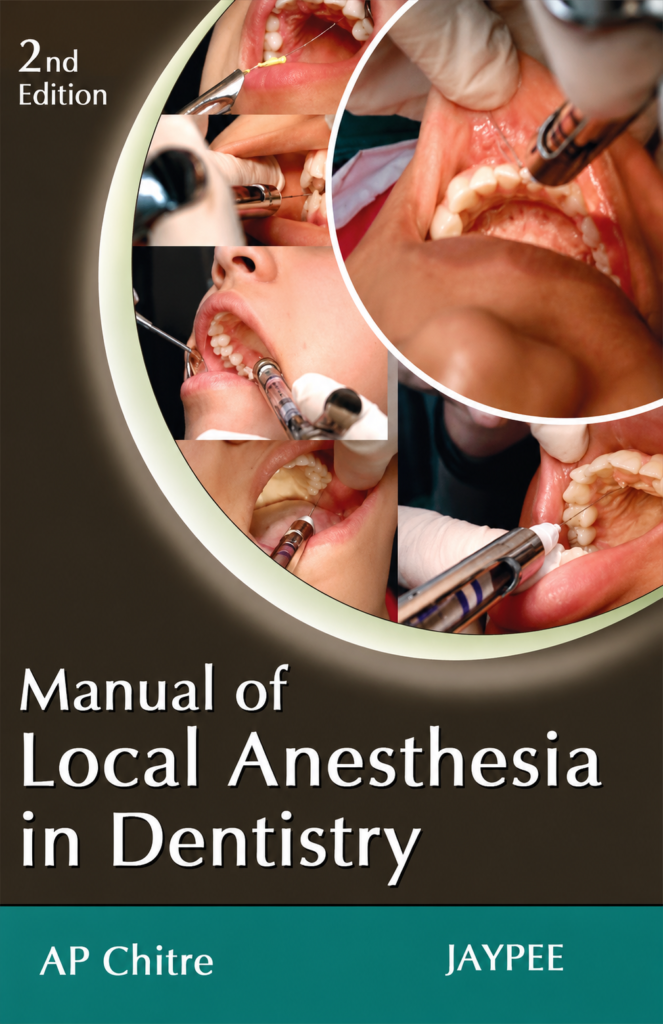
Administering local anesthesia effectively is a critical skill in dentistry, as it ensures patient comfort and facilitates various dental procedures. Among the key techniques presented in Dr. A.P. Chitre’s manual are the maxillary and mandibular injections. Each method is tailored to address specific dental situations, necessitating an understanding of both anatomical landmarks and procedural steps.
The maxillary nerve blocks, often employed for procedures involving the upper jaw, include techniques such as the posterior superior alveolar nerve block. This method targets the branches supplying the molars and can provide profound anesthesia for dental interventions in this area. To successfully perform this injection, the practitioner should identify the maxillary tuberosity and introduce the needle at a 45-degree angle. Aspiration is critical to confirm the absence of blood, reducing the risk of complications.
Conversely, mandibular injections are essential when procedures involve the lower jaw. The inferior alveolar nerve block is a cornerstone technique, allowing anesthesia of the molars, premolars, and associated gingival tissue. For this technique, the dentist should palpate the mandibular ramus and locate the mandibular notch, entering the correct anatomical points. It is advisable to use a slow, deliberate approach during the administration, accompanied by aspiration, to ensure patient safety and efficacy.
Furthermore, in addition to these nerve blocks, supplemental techniques such as buccal or mental nerve blocks may be implemented where additional anesthesia is necessary. Mastering these methods not only enhances procedural outcomes but also increases the clinician’s confidence when tackling diverse clinical scenarios. As practitioners refine their skills in local anesthesia techniques, they can improve the overall patient experience in dental practice.
Calculating Maximum Recommended Dosages: Ensuring Patient Safety
In the field of dentistry, local anesthetics play a crucial role in ensuring patient comfort during various procedures. However, achieving the desired effect while maintaining patient safety hinges significantly on the accurate calculation of maximum recommended dosages. This process is essential for preventing adverse reactions and complications that may arise from administering too much of a local anesthetic.
The first step in calculating the appropriate dosage is to understand the specific anesthetic agent being employed. Each local anesthetic has its own maximum dosage limits, which are often influenced by factors such as the patient’s age, weight, medical history, and the specific dental procedure being performed. For instance, while some patients may present no significant health concerns, others may have underlying conditions that necessitate adjusting the standard dosage recommendations.
To begin the calculus, practitioners can reference established guidelines that outline the maximum dosages based on the type of anesthetic and the patient’s weight. A common formula used in practice is to calculate the dosage by multiplying the patient’s weight (in kilograms) by the maximum safe dosage for the specific agent. This calculation not only aids in determining the upper limit of the anesthetic but also serves as a safeguard against potential toxicity.
Additionally, practitioners must remain vigilant in observing the patient throughout the procedure. Regular assessments allow for immediate recognition of any signs of adverse reactions, thereby enabling timely interventions. It is also beneficial to keep detailed records of the dosage calculations and any adjustments made, ensuring accountability and reference for future treatments.
In conclusion, mastering the calculation of maximum recommended dosages for local anesthetics is paramount in dental practice. By integrating pharmacological knowledge with clinical judgement, dental professionals can enhance safety and efficacy in patient care, creating a balanced approach to anesthesia management.
Managing Complications in Local Anesthesia: Prevention and Intervention Strategies
Local anesthesia is a crucial component of modern dentistry, allowing procedures to be performed with minimal discomfort for patients. However, like any medical intervention, it carries the risk of complications, some of which can have significant clinical implications. Understanding how to effectively manage these complications is essential for dental professionals aiming to enhance patient safety and care.
Adverse effects of local anesthesia can range from mild reactions, such as bruising or transient numbness, to more severe complications, including nerve damage or systemic toxicity. Preventive strategies are vital in minimizing these risks. Comprehensive patient assessments, including medical histories and allergy checks, can help identify individuals who may be at higher risk for adverse reactions. Additionally, adhering to standardized techniques and dosages based on the specific local anesthetic agents being used can further reduce potential complications.
In the event that complications occur, timely and effective intervention is critical. For instance, in cases of hematoma formation, applying pressure can help manage bleeding. Should a patient exhibit signs of systemic toxicity, such as dizziness, seizures, or respiratory distress, immediate protective measures must be taken, including airway management and administering appropriate emergency medications. Training in these scenarios should be part of any dental professional’s education, equipping them with the skills necessary for swift action.
Furthermore, communication with patients about the potential risks associated with local anesthesia fosters understanding and trust. Ensuring patients are aware of what to expect during and after their procedures can reduce anxiety and improve overall satisfaction. Ultimately, mastering the techniques for managing complications in local anesthesia not only ensures safer dental practices but also enhances the overall patient experience.