Table of Contents
Understanding the Role of Local Anesthesia in Dental Practice
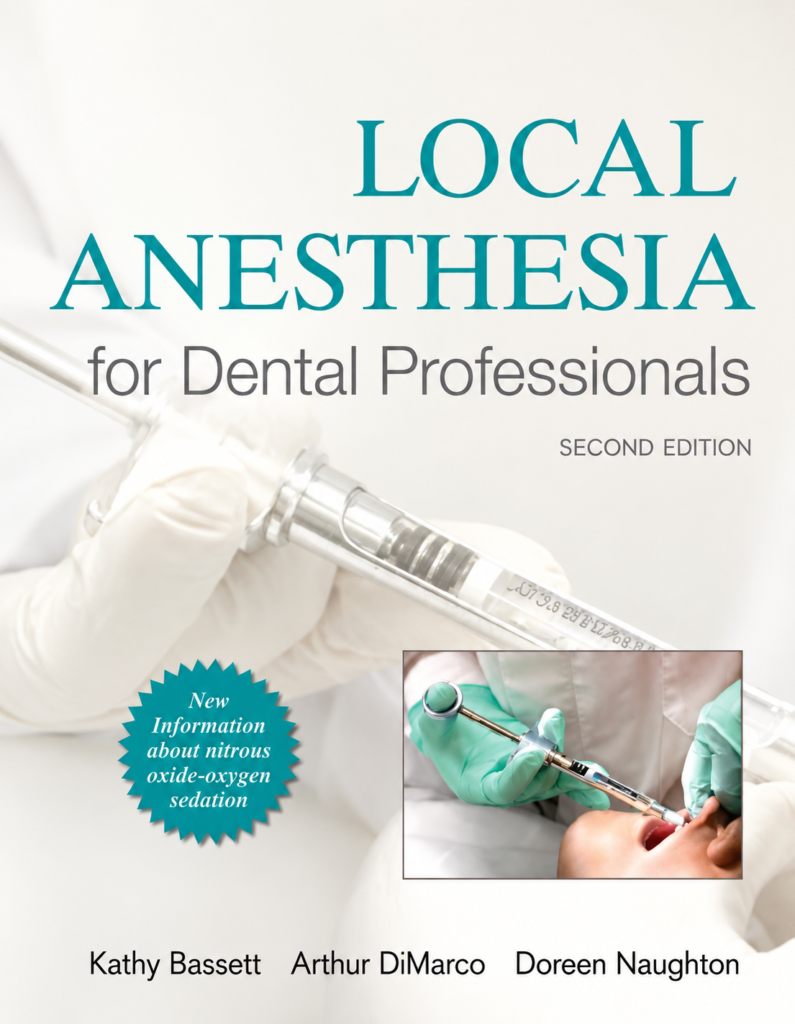
Local anesthesia is a cornerstone of modern dentistry, playing a vital role in enhancing both patient comfort and the overall effectiveness of dental procedures. By providing targeted pain relief, local anesthesia allows dental professionals to perform various treatments, ranging from simple cleanings to complex surgeries, without causing distress to the patient. This not only facilitates a more positive experience but also encourages patients to seek necessary dental care without hesitation.
The physiological principles behind local anesthesia involve the interruption of nerve transmission in specific areas of the body. When a local anesthetic is administered, it acts on sodium channels in nerve cells, effectively blocking the sensation of pain in the localized area. This targeted approach enables dental practitioners to manage pain during procedures, ensuring that patients remain calm and relaxed.
There are several types of local anesthetics utilized in dentistry, including lidocaine, articaine, and bupivacaine, each with its own pharmacological properties and specific applications. For instance, lidocaine is widely used due to its rapid onset and moderate duration of action, making it ideal for a variety of standard procedures. On the other hand, bupivacaine is known for its long-lasting effects, making it suitable for more invasive surgeries where prolonged pain control is necessary.
Moreover, the choice of local anesthetic can significantly impact treatment outcomes. A deep understanding of local anesthesia allows dental professionals to tailor their approach based on the specific needs of each patient, thereby enhancing safety and efficacy. Knowledge of potential side effects and contraindications is equally important in ensuring patient safety. Overall, a comprehensive grasp of local anesthesia is essential for dental professionals aiming to optimize patient care and improve treatment experiences.
Key Techniques and Methods for Effective Local Anesthesia Administration
The administration of local anesthesia in dental procedures is crucial for patient comfort and procedural success. Understanding specific techniques and methods can greatly enhance both efficiency and safety during injection. This section will outline essential practices that should be followed by dental professionals to ensure effective local anesthesia administration.
One of the most widely used techniques is the inferior alveolar nerve block, which is highly effective for procedures involving the lower teeth. To perform this technique correctly, it is essential to identify key anatomical landmarks such as the coronoid notch, pterygomandibular raphe, and the occlusal plane. Positioning the needle correctly, typically at a 25 to 30-degree angle, is fundamental. After locating the landmarks, aspirating to check for aspiration of blood is recommended to mitigate the risk of injecting into a blood vessel.
Another important technique involves the use of infiltration anesthesia, which is effective for more localized procedures, such as fillings on anterior teeth. This method requires careful placement of the needle into the mucosa above the targeted tooth, followed by slow delivery of the anesthetic to allow absorption. Gradual deposition of the local anesthetic helps minimize discomfort and improves the efficacy of the numbing effect.
However, dental practitioners may encounter challenges in both techniques, including variations in patient anatomy and fear of needles among patients. Adapting strategies such as distraction techniques or the use of topical anesthetics can contribute to alleviating patient anxiety and improving cooperation during procedures.
Overall, mastery of these key techniques in administering local anesthesia, reinforced by knowledge of anatomical landmarks and potential patient concerns, will empower dental professionals to enhance their injection skills and optimize patient experiences.
Integrating Nitrous Oxide Sedation into Dental Procedures: Benefits and Best Practices
Nitrous oxide, commonly known as laughing gas, has been a staple in dentistry for decades, providing a reliable method for sedation during various dental procedures. Its integration with local anesthesia enhances the overall patient experience by addressing anxiety and discomfort. By introducing nitrous oxide-oxygen sedation, dental professionals can create a tranquil environment, allowing for smoother procedures and improved patient satisfaction.
The primary benefit of nitrous oxide sedation is its ability to alleviate anxiety while maintaining patient consciousness. This sedation technique enables patients to remain aware and responsive, facilitating communication between the patient and the dental team. Moreover, nitrous oxide has a rapid onset and a quick recovery time, ensuring patients can resume their normal activities shortly after treatment.
Safety considerations are paramount when administering nitrous oxide. Dentists must assess each patient’s medical history to identify any contraindications, such as respiratory issues or particular medications that may interact adversely. Proper monitoring of oxygen saturation and the patient’s response during sedation is essential to ensure safety and comfort throughout the procedure. Moreover, having an adjunct protocol for managing potential side effects can enhance the safety and efficacy of nitrous oxide use.
Incorporating this sedation technique requires adhering to established protocols. Dental professionals should receive comprehensive training to understand the pharmacology of nitrous oxide and the intricacies of its administration. Additionally, educating patients on the benefits and processes associated with nitrous oxide sedation can foster greater acceptance and reduce pre-treatment anxiety.
In conclusion, the integration of nitrous oxide sedation alongside local anesthesia offers extensive benefits, such as improved patient comfort and reduced anxiety. By following best practices, dental professionals can effectively utilize this technique to enhance the patient experience while ensuring safety and satisfaction.
Comprehensive Teaching and Learning Resources for Dental Professionals
The journey to mastering local anesthesia in dentistry is significantly enhanced by the extensive array of teaching and learning resources provided within this e-book. Tailored for both instructors and students, these resources are designed to facilitate a deeper understanding of local anesthesia techniques, ensuring that dental professionals are well-equipped to apply their knowledge in clinical settings.
One of the standout features of this educational resource is its rich collection of illustrations. These visuals serve not only to clarify intricate anatomical structures but also to depict various injection techniques. By presenting complex concepts in a clear and engaging manner, the illustrations help bridge the gap between theory and practice. Additionally, the use of case studies within the e-book provides real-world context, showcasing scenarios that a dental professional may encounter. This reflective approach encourages critical thinking and application of learned skills.
Furthermore, the inclusion of a companion technique DVD is a notable asset for both teaching and learning. This multimedia resource presents procedural videos, visually demonstrating the step-by-step applications of local anesthesia techniques. It allows students to observe expert practices, which can be especially beneficial for visual learners who may find traditional text-based methods less effective.
In essence, the combination of these teaching aids transforms the e-book into a robust educational tool, promoting lifelong learning in dental anesthesiology. By integrating diverse formats— illustrations, case studies, and multimedia resources— the guide supports varied learning styles, ensuring that all dental professionals can achieve proficiency in local anesthesia. Thus, the e-book not only acts as a practical guide but also as a comprehensive platform for education, fostering skilled practitioners dedicated to patient care in the field of dentistry.